
Note Values Explained: Whole Notes, Half Notes, Quarter Notes and Eighth Notes
How Do Note Values Work in Music Notation?
Note Values Explained
Musical notation not only tells us which pitches to play. It also tells us how long each note should last.
These durations are called note values.
The Basic Note Values
The most common note values are:
Whole note
Half note
Quarter note
Eighth note
- Sixteenth note
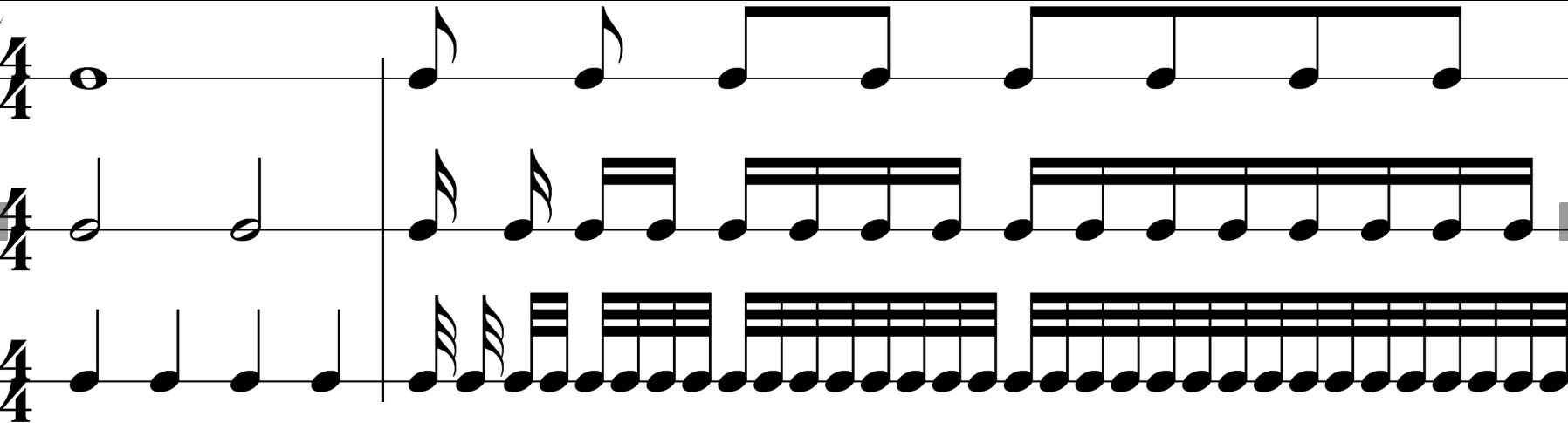
Each value is exactly half the duration of the previous one.

Consecutive Notes
Several notes of equal value can be placed consecutively to create rhythmic patterns.
The total duration is simply the sum of the individual note values.
Notes Across Bar Lines
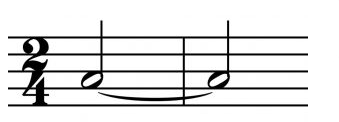
Sometimes a note must continue beyond the end of a bar.
In this case the note is written as two or more notes connected by a tie.
The tie indicates that the note should be sustained continuously across the bar line.
This allows music to maintain clear bar structures while preserving longer note durations.
Why Note Values Matter
Understanding note values is essential for:
Reading notation
Creating rhythms
Understanding meter
- Composing melodies
Without note values, rhythm cannot be communicated accurately.